
RISING. PENETRATING. CONDENSATION.
Damp diagnosis
Rising damp, penetrating damp, condensation and leaks need different repairs. The first job is establishing which.
Inspection, testing and a written report.
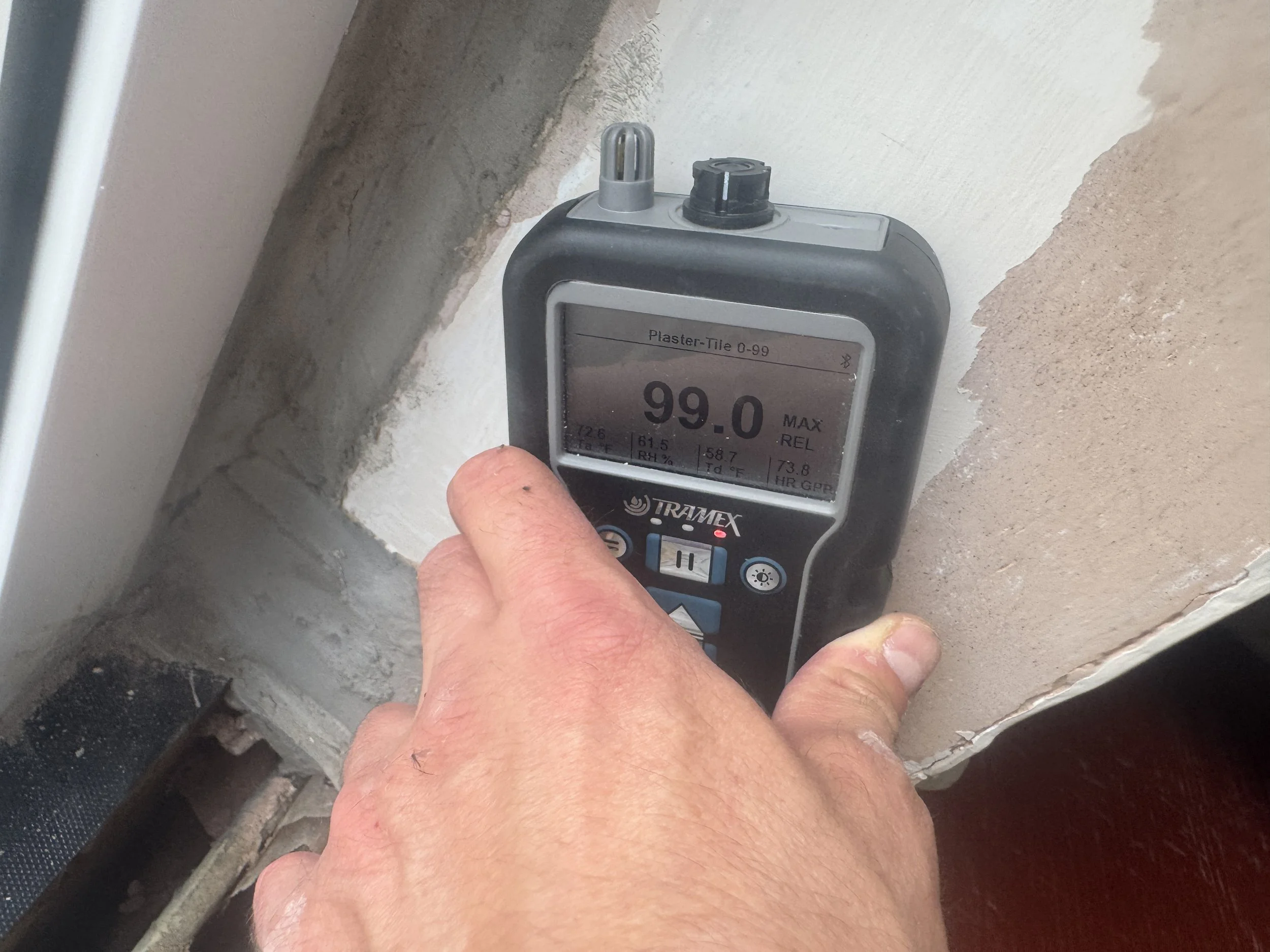
The causes
-
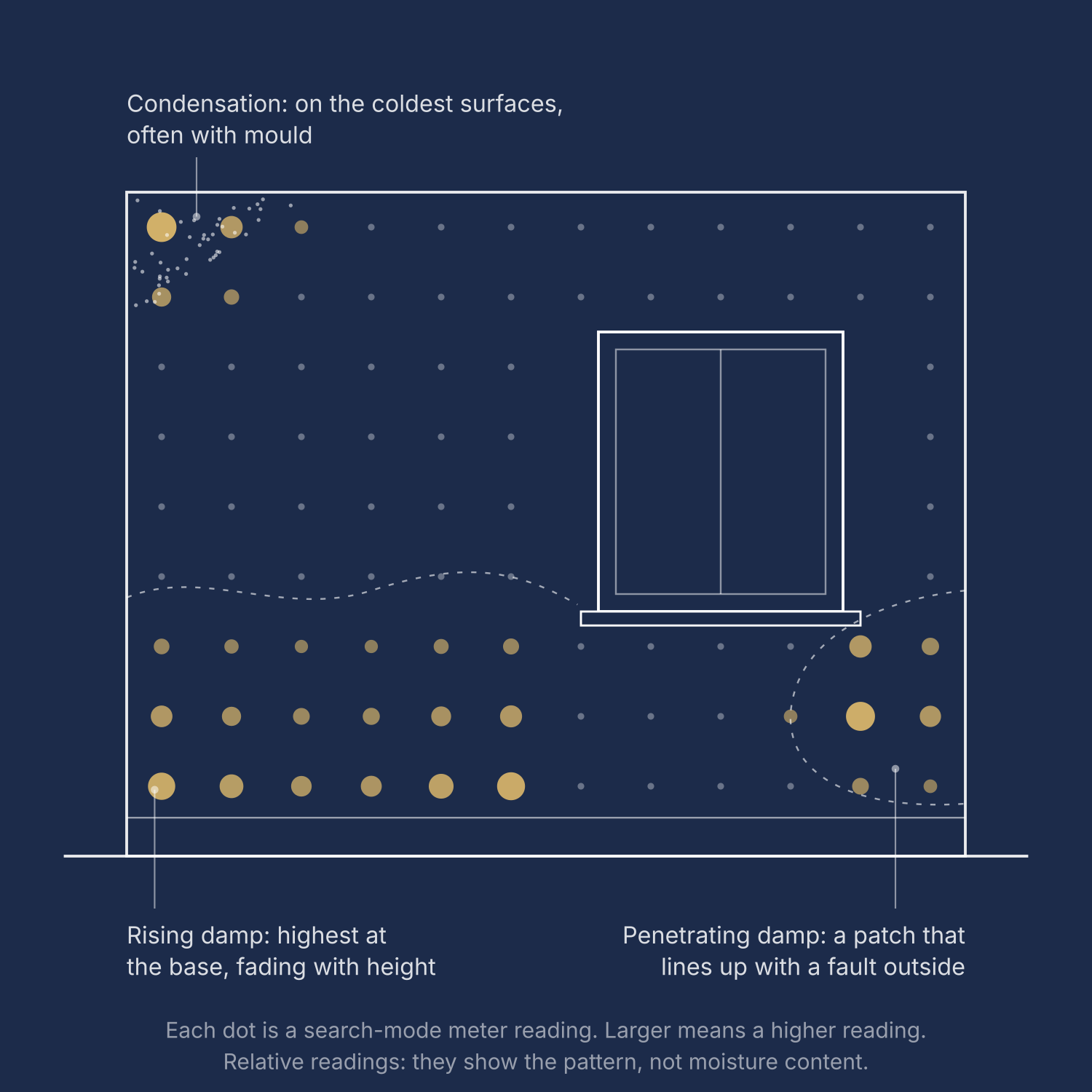
Moisture from the ground drawn into the base of a wall. Highest at the bottom and fading with height, often with a band of salts. Confirmed by moisture content at depth, not by a surface reading.
-
Rain getting in through a defect: pointing, render, gutters, or the junctions round windows and doors. It follows the weather and lines up with a fault outside.
-
Moist air meeting a cold surface: corners, window reveals and behind furniture. Surface temperature and humidity readings show whether the building or its use is the cause.
-
A pipe, a waste or a drain. Often hidden, and often mistaken for one of the others. Thermal imaging and moisture mapping trace it back to the source.
-
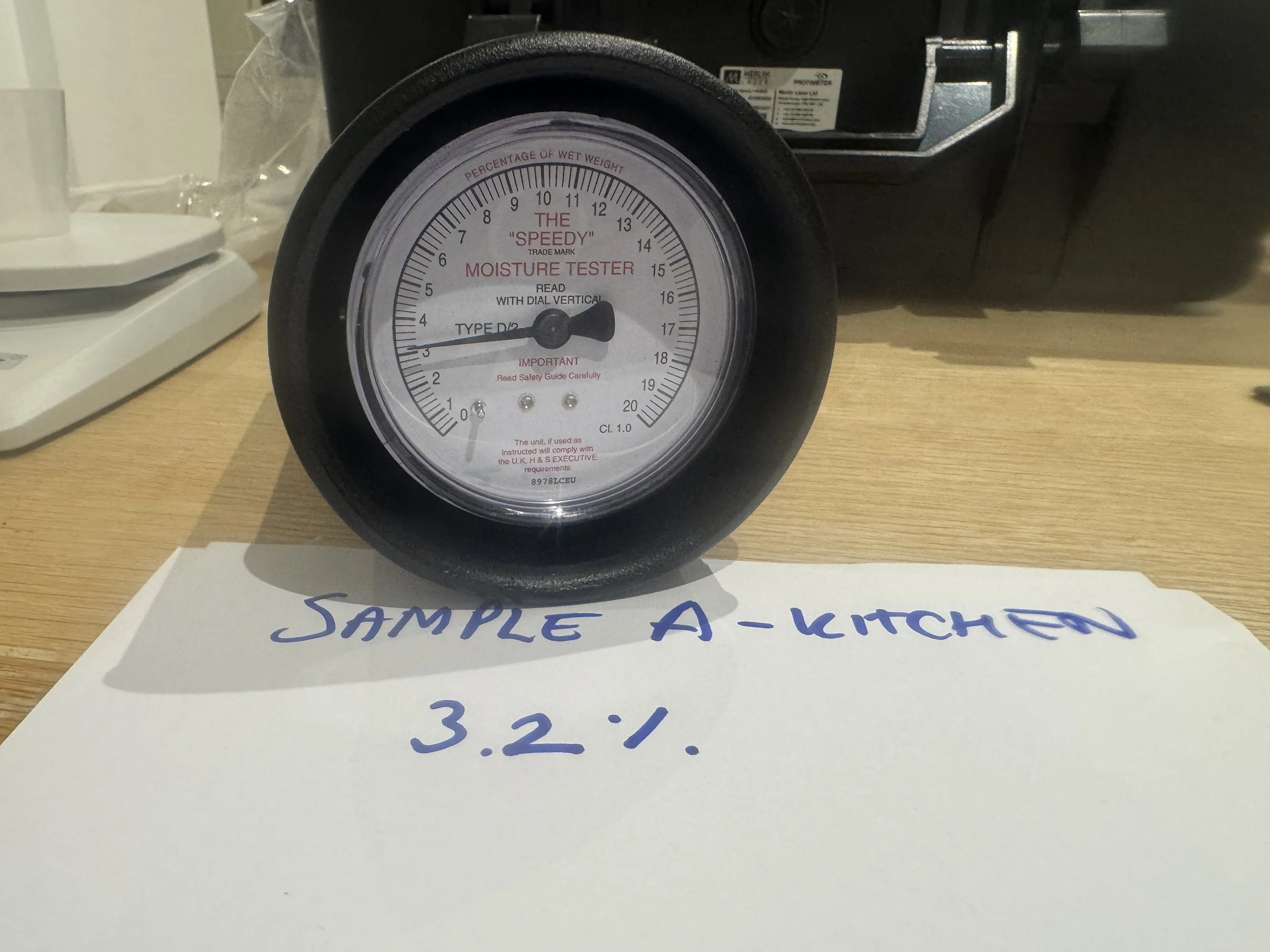
Salts left in masonry and plaster take up moisture from the air and read as damp on a meter. Carbide testing shows whether the wall itself is wet.
How I tell them apart
Each cause leaves a different pattern. I map the pattern, then test what’s behind it.
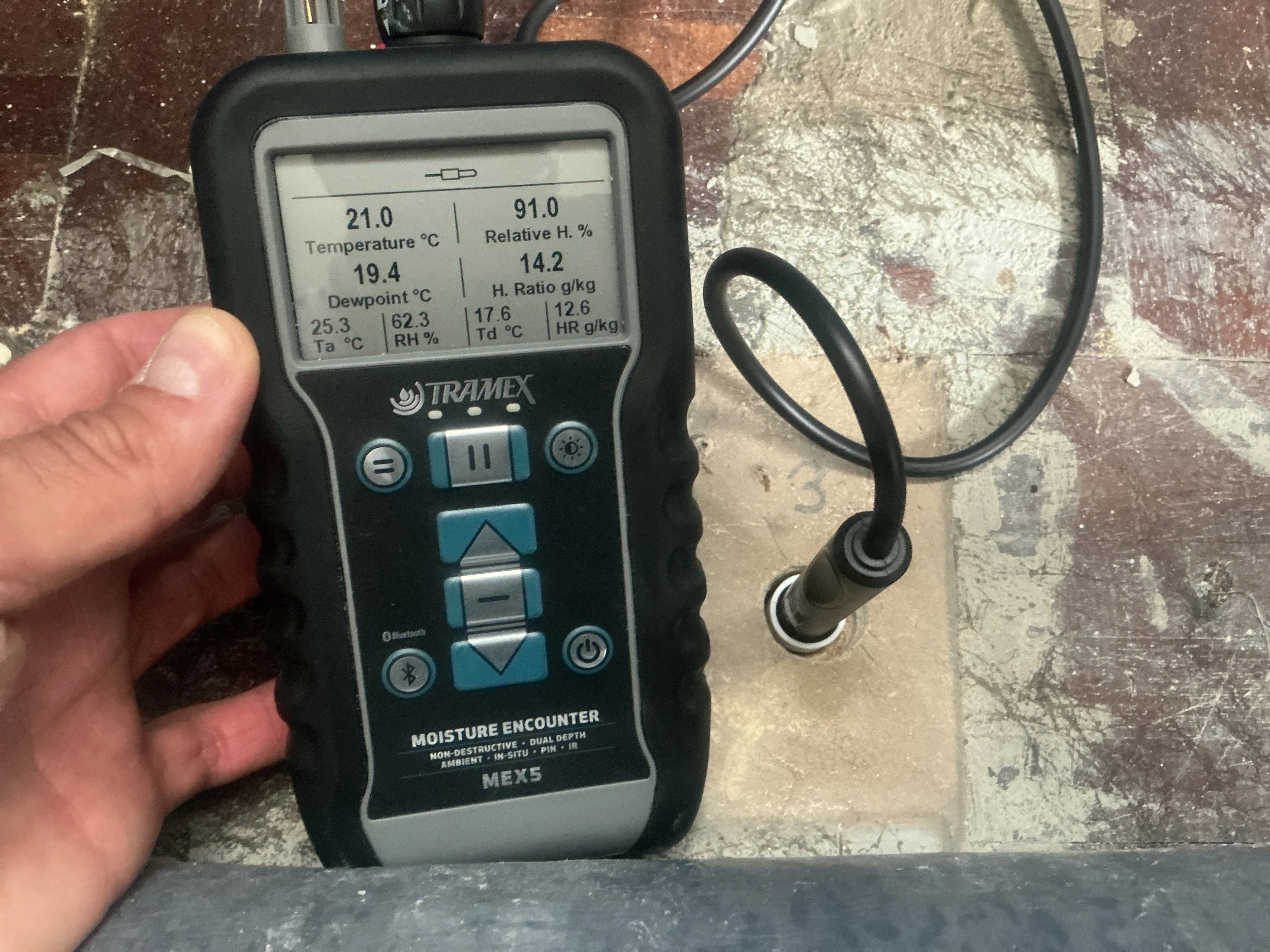
Map the pattern
Search-mode readings across the wall or floor. Relative readings: they show where to test.
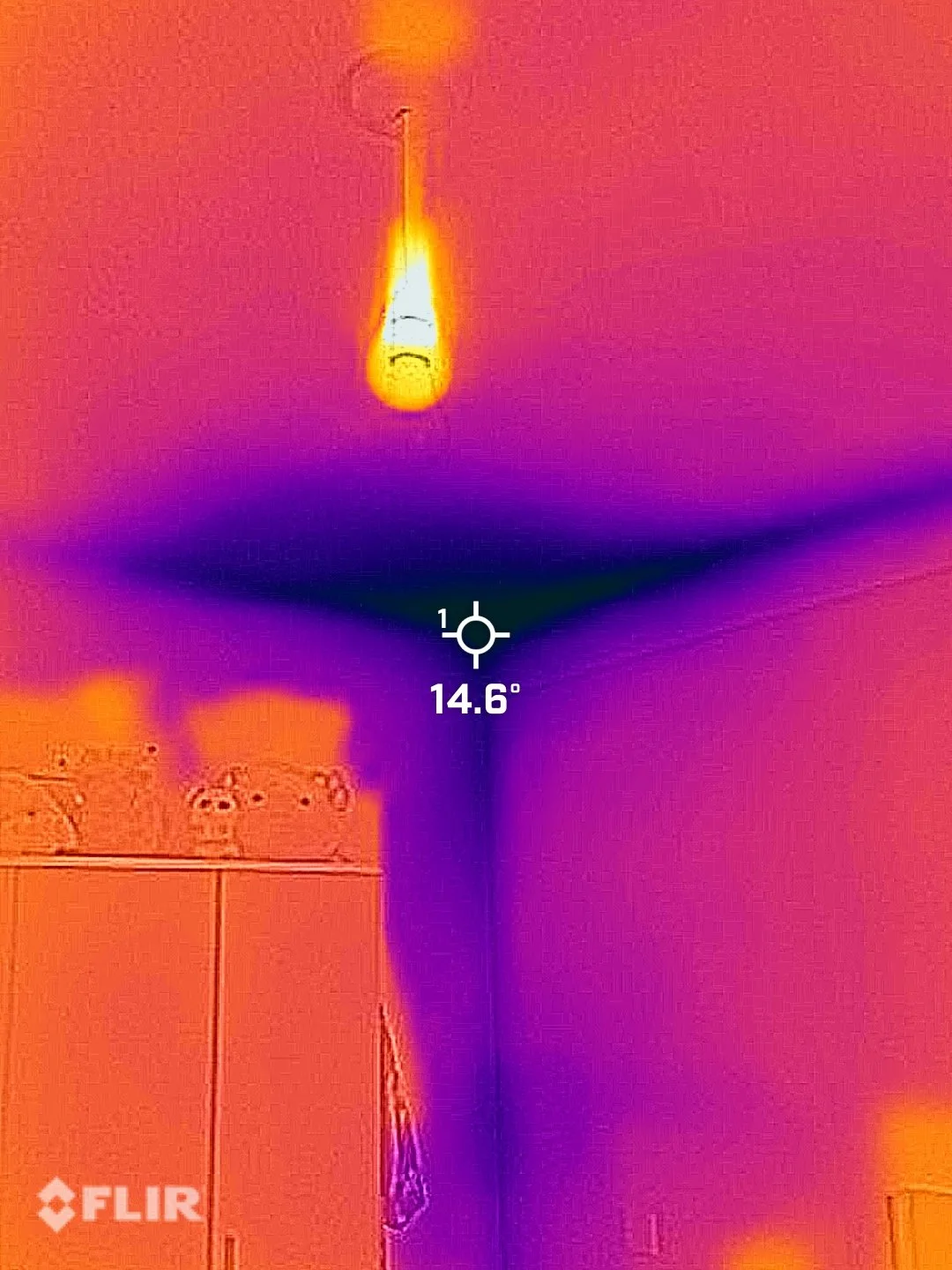
Find the cold spots
Thermal imaging and surface temperatures show where condensation will form.
Rising damp
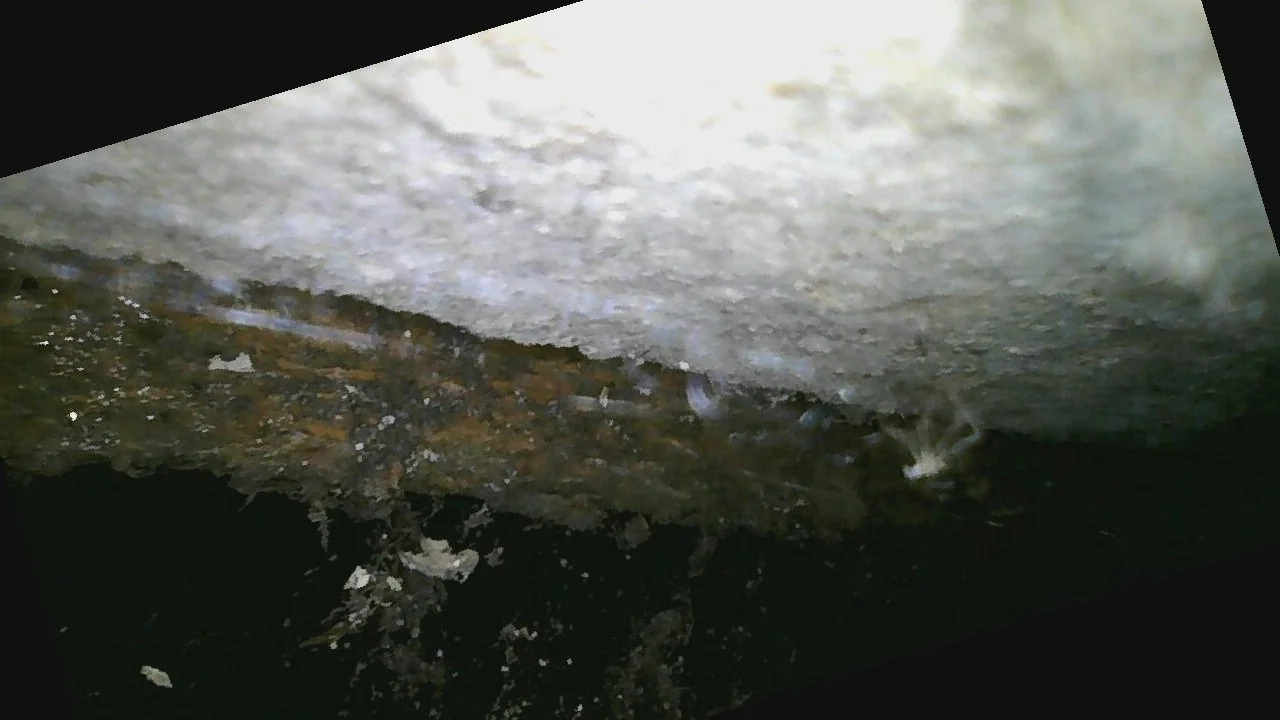
Rising damp is real. It’s also over-diagnosed. A high reading at the base of a wall can be salts, condensation or a bridged DPC. I test before I name it, following BRE BR 466 and the 2022 RICS, Historic England and PCA joint position statement.
Instructions and enquiries
jonathan@durndell.co.uk · 01908 040469